Global Sports Audiences Continue Shifting Toward Digital Platforms

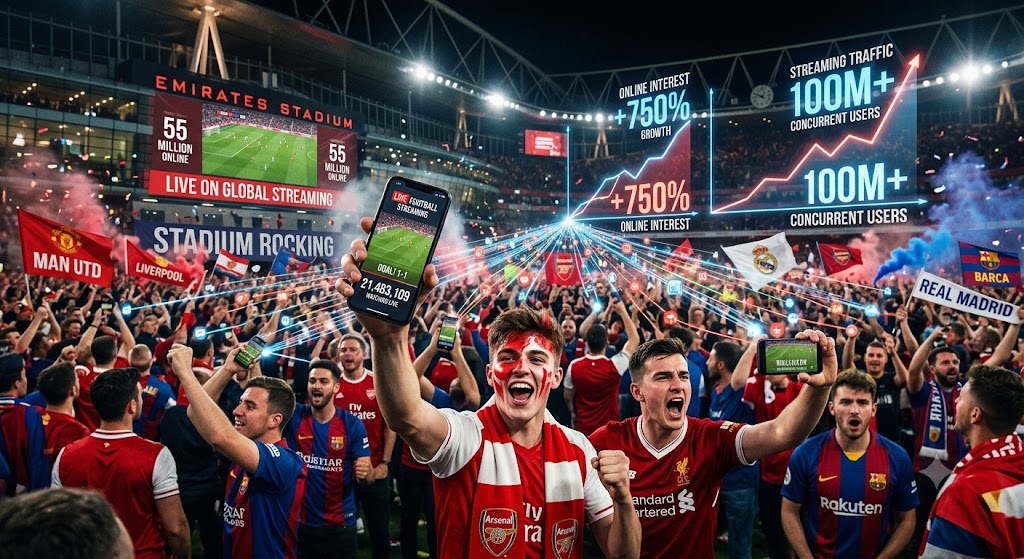
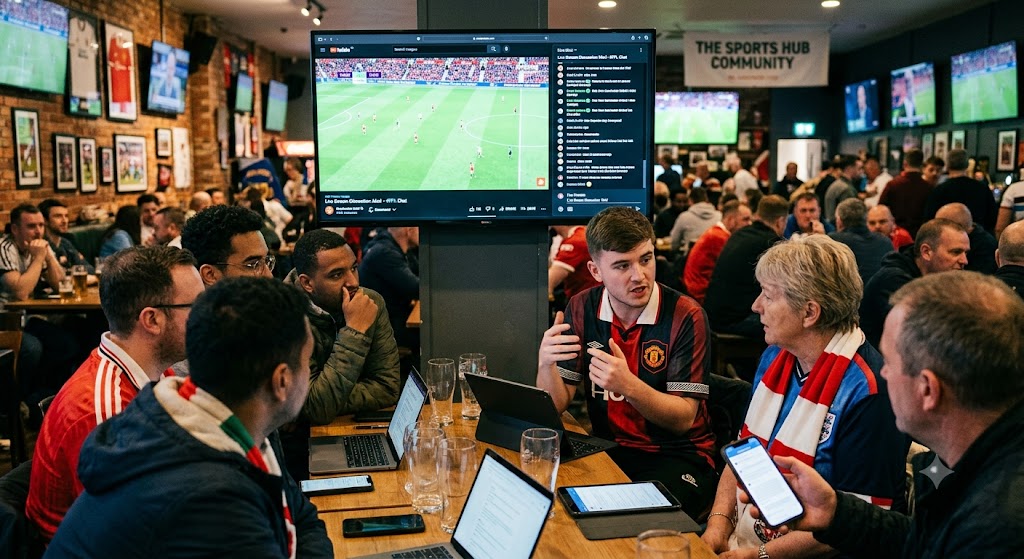
The traditional framework of television broadcasting has fundamentally given way to an era dominated by instantaneous digital infrastructure. Across the world, sports enthusiasts are moving away from restrictive cable packages and satellite dishes in favor of fluid, on-demand internet applications that deliver live athletics directly to mobile screens, laptops, and smart TVs. This global migration is not merely a temporary change in user preference; it represents a permanent structural realignment of the media economy. As legacy linear networks struggle to retain aging demographics, tech conglomerates are deploying massive, multi-billion-dollar corporate bids to acquire exclusive broadcast packages, turning live streaming into the definitive battleground for modern human attention.
Digital Resource Consolidation in an Age of App Fragmentation
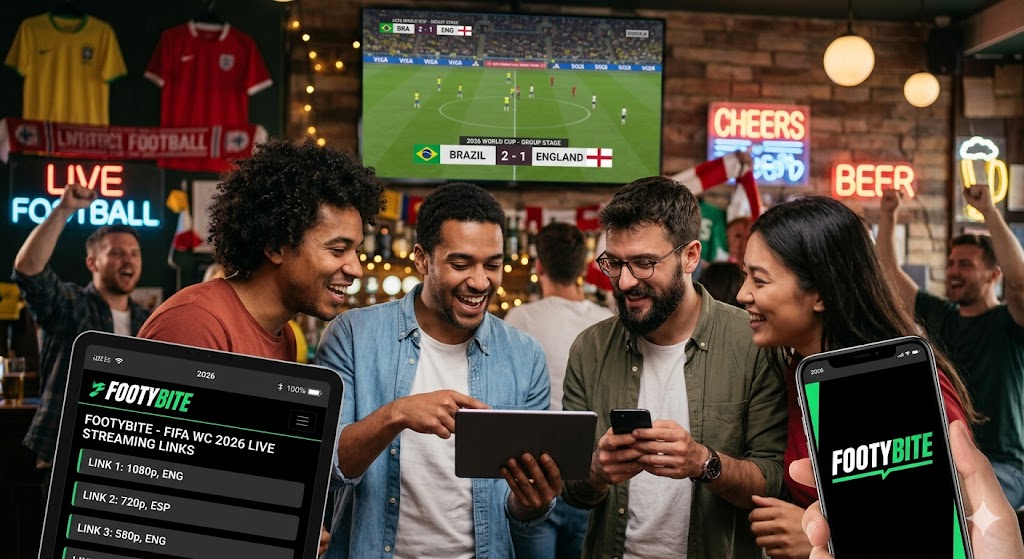
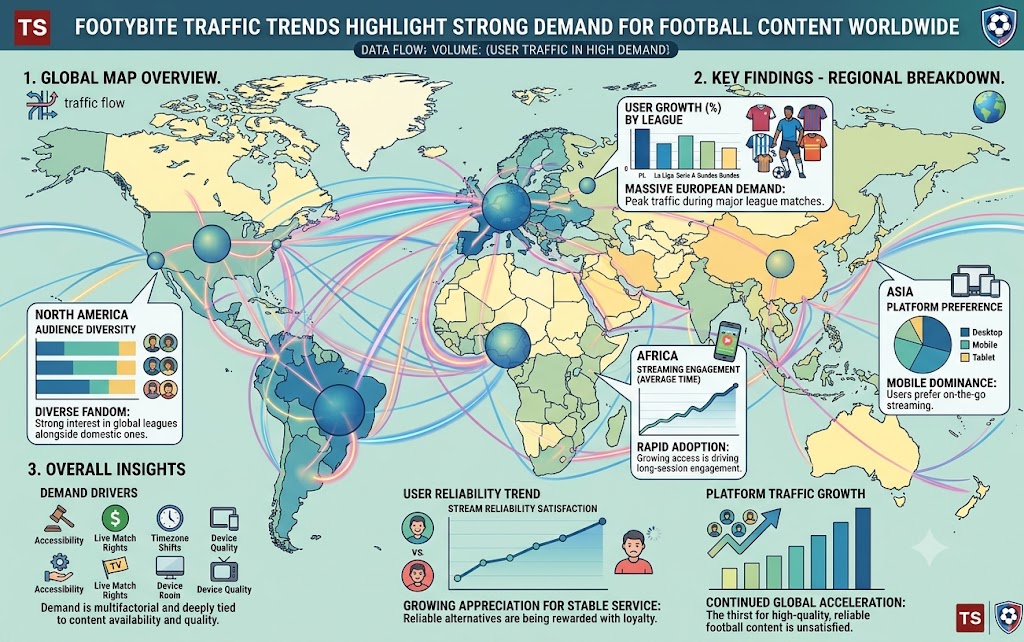
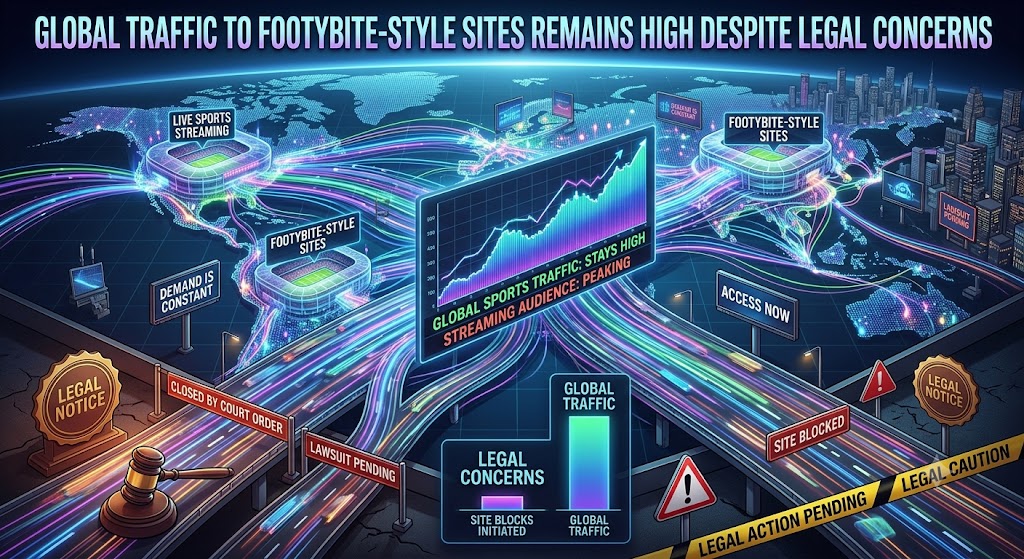
As official media rights become hyper-fractionated among an array of competing corporate networks, the financial friction for the average consumer has intensified dramatically. When following a single domestic campaign or an international tournament requires navigating a costly maze of distinct regional subscriptions, a growing segment of the global audience naturally migrates toward rogue aggregators like Footybite to bypass the paywalls entirely. Despite rigorous anti-piracy crackdowns, real-time domain seizures, and evolving digital rights management protocols instituted by major regulatory bodies, these alternative hubs recalibrate their server layouts almost instantly to maintain operations. This persistent cat-and-mouse game illustrates that when corporate streaming models create too much financial friction, informal digital indexing platforms will step in to meet the raw consumer demand for unified sports access.
Technical Demands of Live Broadcasting Stress Internet Backbones
The logistical weight of managing this massive online migration is forcing major network operators and cloud infrastructure developers to heavily optimize their technical systems. Unlike pre-recorded cinema or episodic television content that can sit comfortably in data buffers, live sports delivery leaves absolutely no margin for transmission delays or software failures. Modern digital sports consumers maintain a remarkably low tolerance for screen buffering, dropouts, or pixelated resolutions, especially during massive tournament windows where a five-second delay can result in social media feeds ruining a crucial play. To stay ahead of these rigid user demands, global providers are pumping historic capital reserves into decentralized content delivery networks (CDNs), establishing a highly robust tech baseline that permanently alters the capabilities of web video delivery.
Intense Tournament Volatility Drives Record Media Traffic
The immense scale of this ongoing media transformation is fully reflected in the spectacular, record-breaking match slates dominating the international soccer scene this week. Broadcast operations across North America are reporting unprecedented spikes in digital bandwidth consumption as the expanded 48-team tournament kicks into high gear. Just hours ago, defending world champions Argentina officially opened their account at Kansas City Stadium with a dominant 3-0 victory over Algeria, electrified by a brilliant, career-defining hat-trick from Lionel Messi in his historic sixth tournament appearance. On the exact same day, France recorded monumental digital engagement as Kylian Mbappé sparked a stellar performance to secure a 3-1 victory over Senegal, while major streaming apps are currently preparing for a massive traffic wave today as heavyweights England and Croatia prepare to lock horns in a crucial Group L showdown in Dallas.
The Immersive Trajectory of Contemporary Fan Environments
Ultimately, the media applications that will command long-term audience loyalty are those that successfully transform a standard video broadcast into a fully immersive, personalized environment. Next-generation streaming utilities are rapidly deploying features that allow fans to seamlessly toggle between multiple alternative stadium camera angles, view live analytical heatmaps, and interact with real-time statistics directly inside the player interface. By combining clean, reliable video delivery with comprehensive data modules, the digital sports sector is completely reimagining the boundary between the stadium and the living room. As international competition for attention grows increasingly fierce, the continuous development of adaptive viewing platforms will keep dictating the ultimate destination of sports media.