The Biggest Coaching Changes Shaping International Football in 2026
A Global Managerial Shake-up
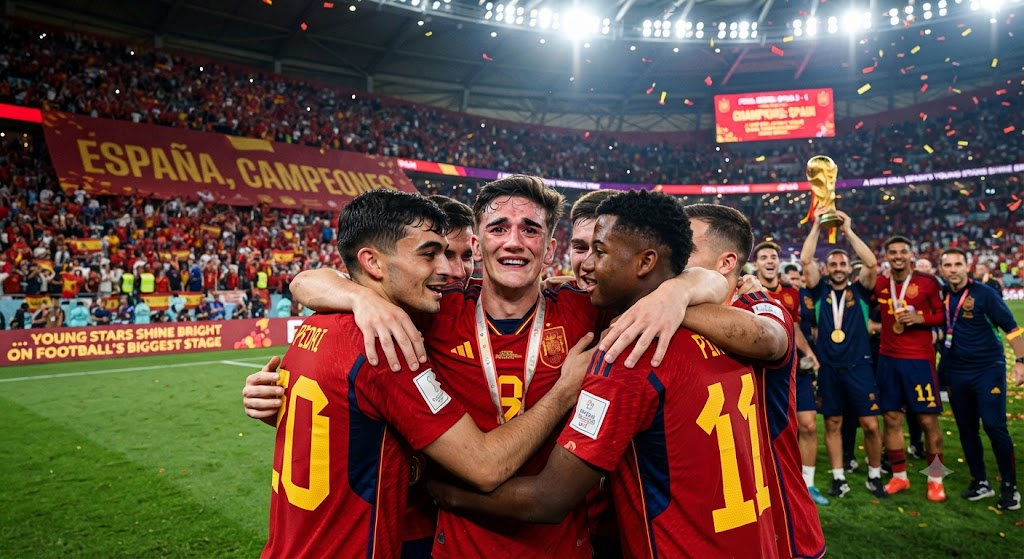
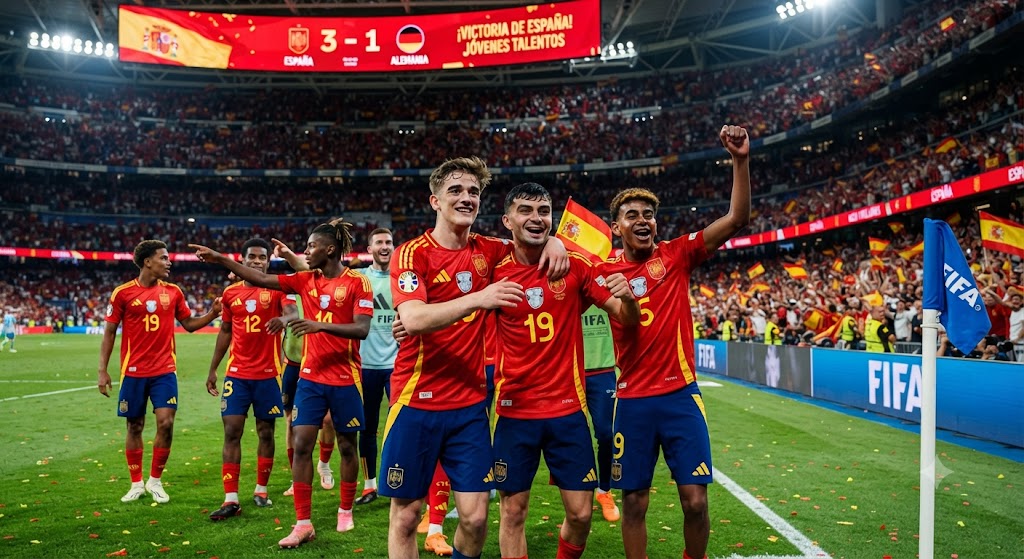
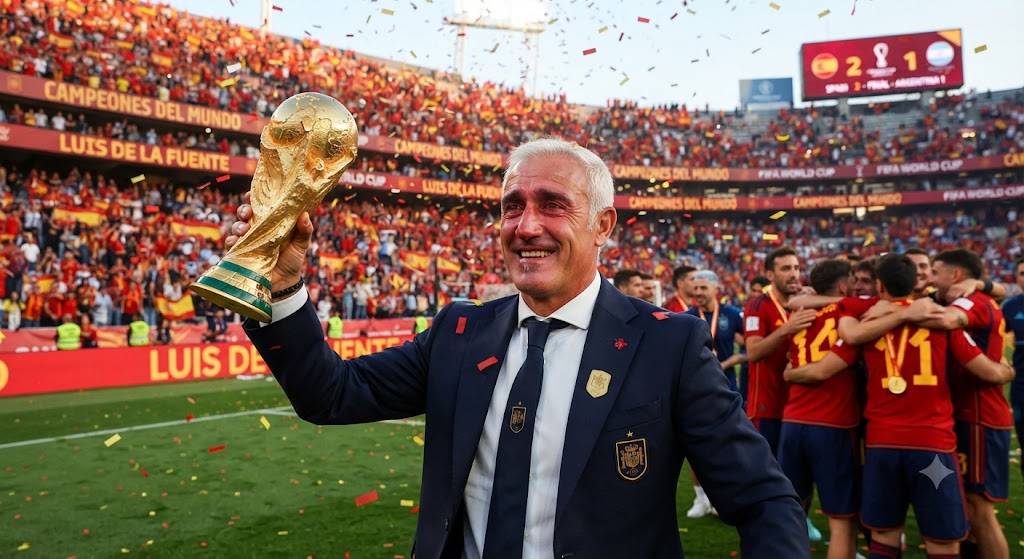
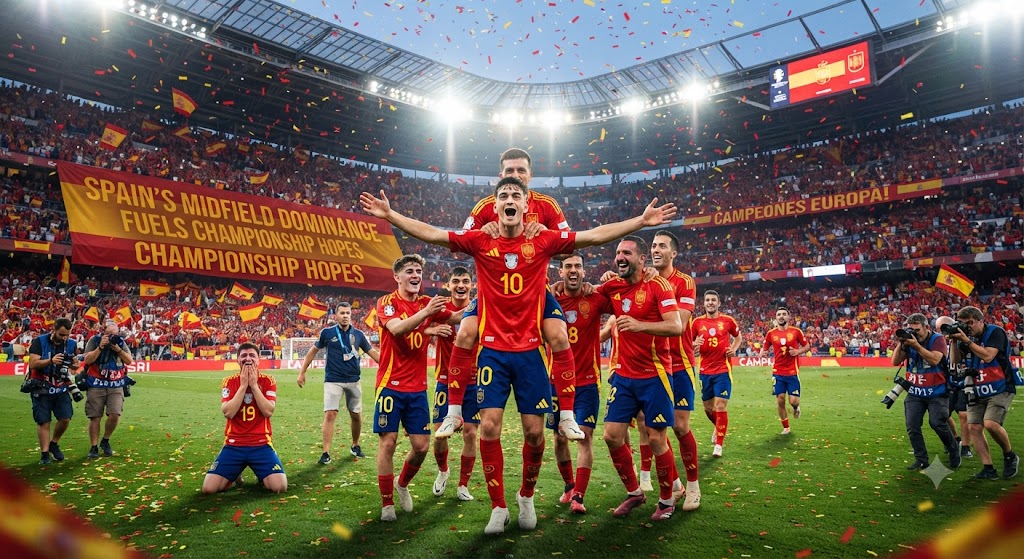
The 2026 FIFA World Cup has acted as a massive catalyst for change in the international football landscape. Following the conclusion of the tournament in New York, where Spain claimed their second world title, nearly 35% of the coaches who entered the competition have departed their roles. This "guillotine" effect, as described by observers, has seen 17 national team head coaches leave their positions, ranging from tactical stalwarts to managers whose teams failed to meet the high expectations of their respective nations. As the football world looks toward the next cycle of international competitions, including the 2027 Nations League and Euro 2028, federations are scrambling to find the right leadership to guide them into a new era.
Strategic Transitions and Soccer Streams
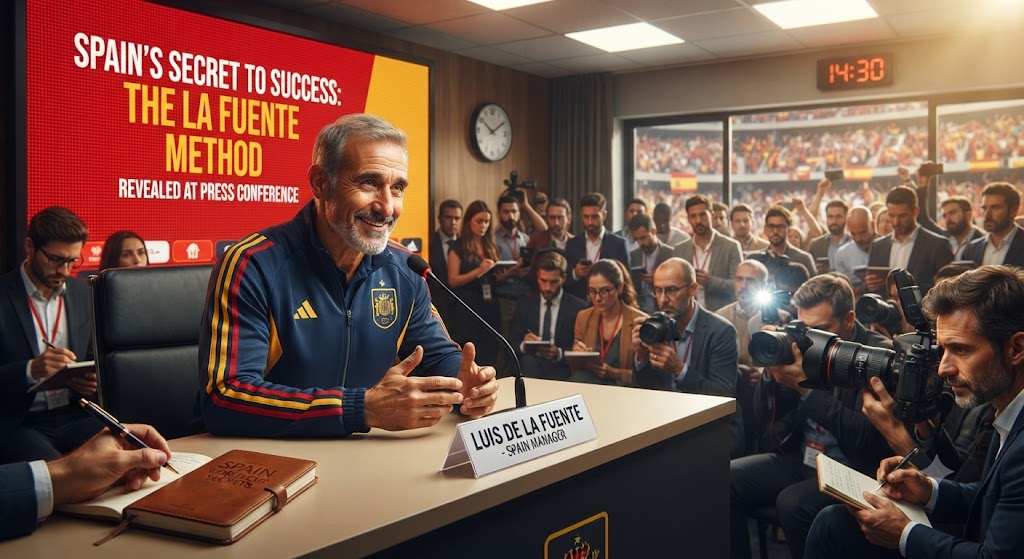
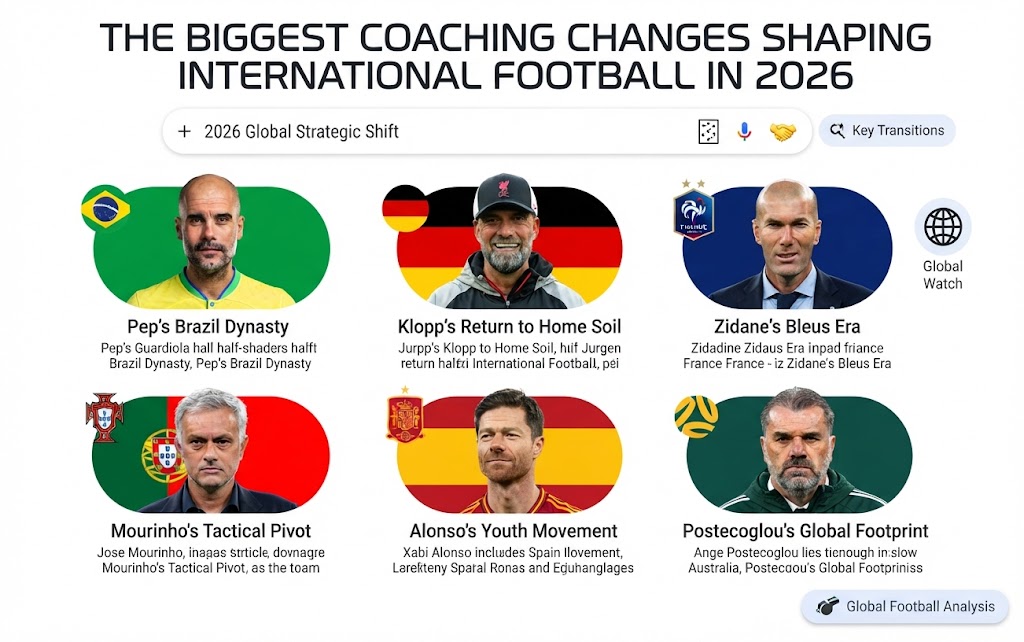
The shift in leadership is particularly evident in Europe, where footballing giants are betting on marquee names to revitalize their squads. Germany is in the final stages of appointing Juergen Klopp as their new head coach, a move seen as a major statement of intent by the DFB. Simultaneously, France is preparing to usher in the Zinedine Zidane era, with reports suggesting he will succeed long-term boss Didier Deschamps. For fans tracking these high-stakes transitions, the need for reliable information is at an all-time high. Enthusiasts often utilize platforms and Soccer Streams to catch up on official press conferences, tactical breakdowns, and the latest rumors surrounding staff appointments, as the modern game requires a deeper understanding of the managerial philosophy behind the team selection.
The Challenges for New Leadership
While the appointment of celebrity coaches grabs the headlines, the day-to-day reality of international management remains incredibly difficult. Italy continues its exhaustive search for a successor after failing to qualify for the World Cup, with candidates like Pep Guardiola and Antonio Conte featuring in intense media speculation. Meanwhile, other nations are navigating a total rebuild. From Uruguay and the Netherlands to Senegal and Ghana, teams are looking to integrate younger players and fresh ideas after disappointing exits. The challenge for these incoming managers is not just about tactical acumen, but about the ability to command a group of players who have often spent the last month in the high-pressure environment of a World Cup.
Looking Toward the Future
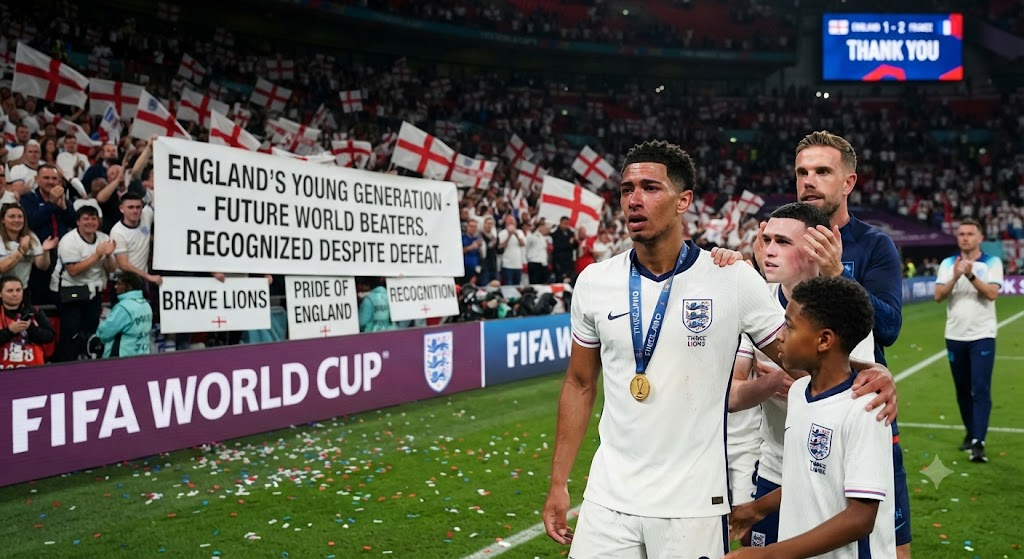
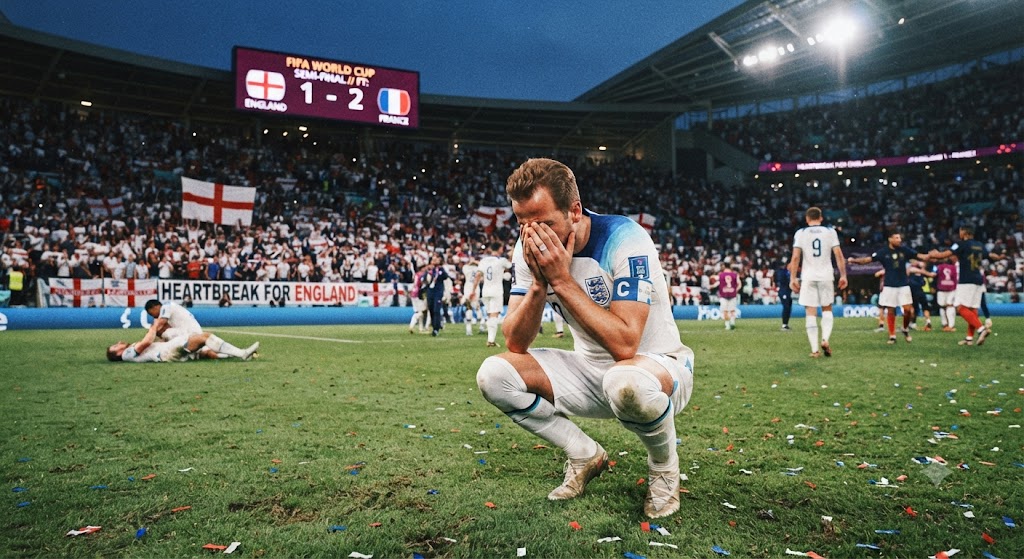
With Spain now sitting atop the FIFA world rankings and clubs already beginning their own preparations for the upcoming domestic seasons, the international calendar will soon shift its focus to the 2027 qualifying campaigns. As new managers officially take their posts in September, the coming months will serve as a vital adjustment period. Whether it is Klopp settling into the German setup or Zidane preparing to lead a French team looking to move past their semi-final exit, these appointments are setting the stage for a period of extreme tactical evolution. The 2026 World Cup may have ended, but the race to define the next generation of international football has only just begun.