TotalSportek Headlines Highlight the Evolution of Online Sports Media
The Great Migration from Linear Television to Direct Digital Feeds
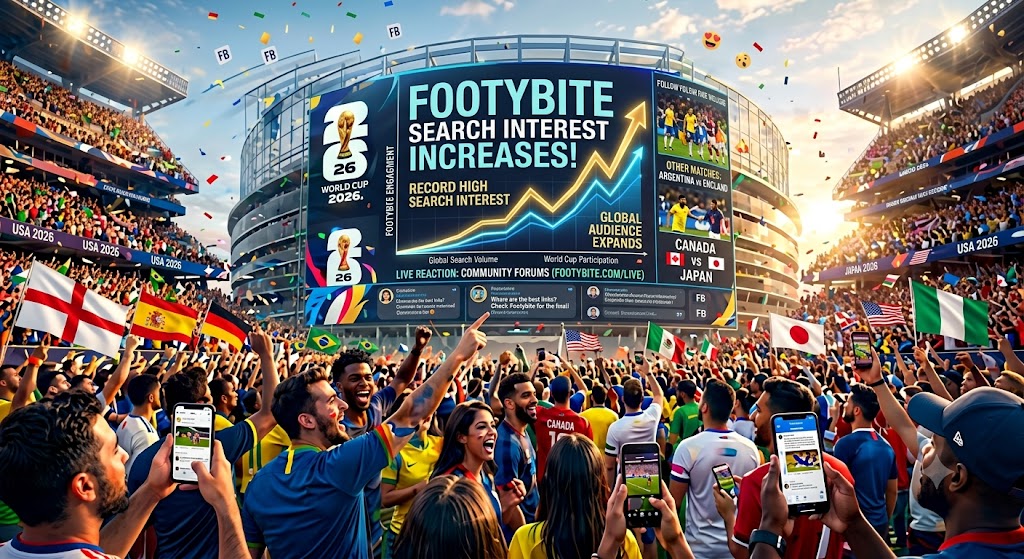
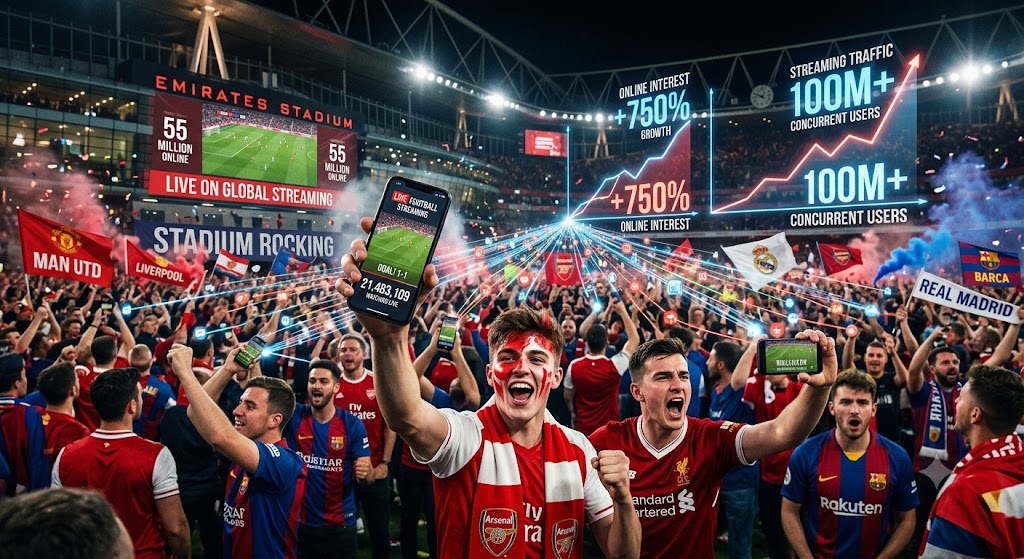
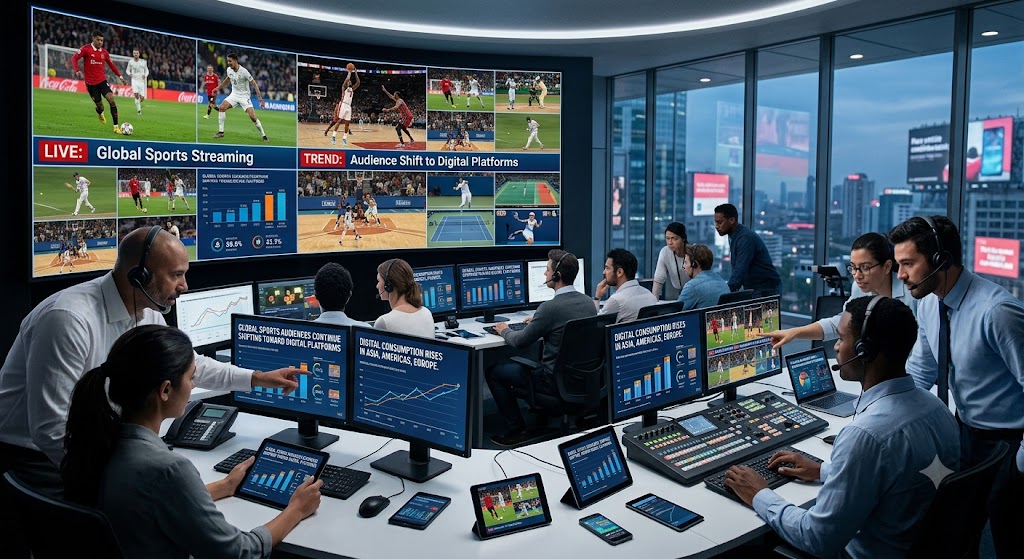
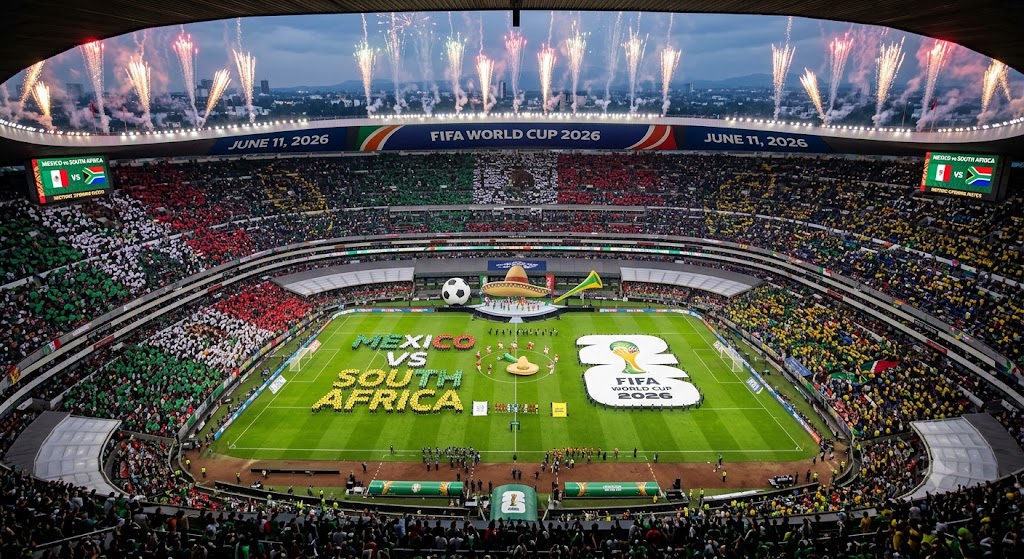
The modern sports broadcasting environment is undergoing a fundamental restructuring as traditional cable television models give way to comprehensive, multi-platform digital ecosystems. Media conglomerates and independent analysts alike are observing an unprecedented shift in consumer habits, accelerated by the massive data requirements of global events like the 2026 FIFA World Cup. Audiences are no longer willing to be restricted by rigid programming schedules or expensive, region-locked television packages when tracking high-stakes matchups like Canada's recent 6-0 thrashing of Qatar or the United States' clinical 2-0 victory over Australia. This massive migration toward flexible internet-based viewing has forced major media companies to re-engineer their entire distribution strategy to capture an increasingly mobile and decentralized global fanbase.
Innovative Platforms Redefine the Live Interaction Directory
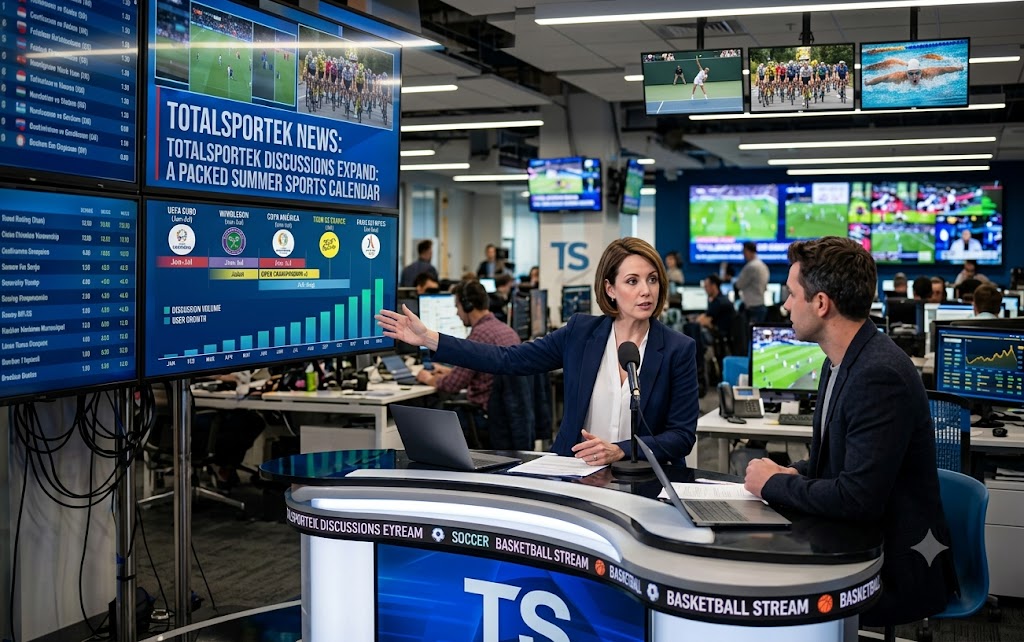
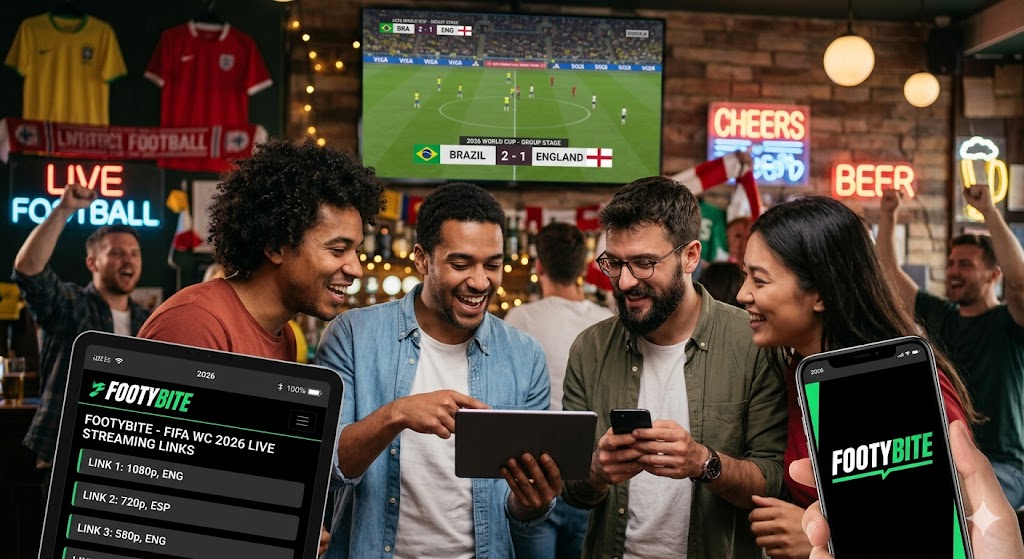
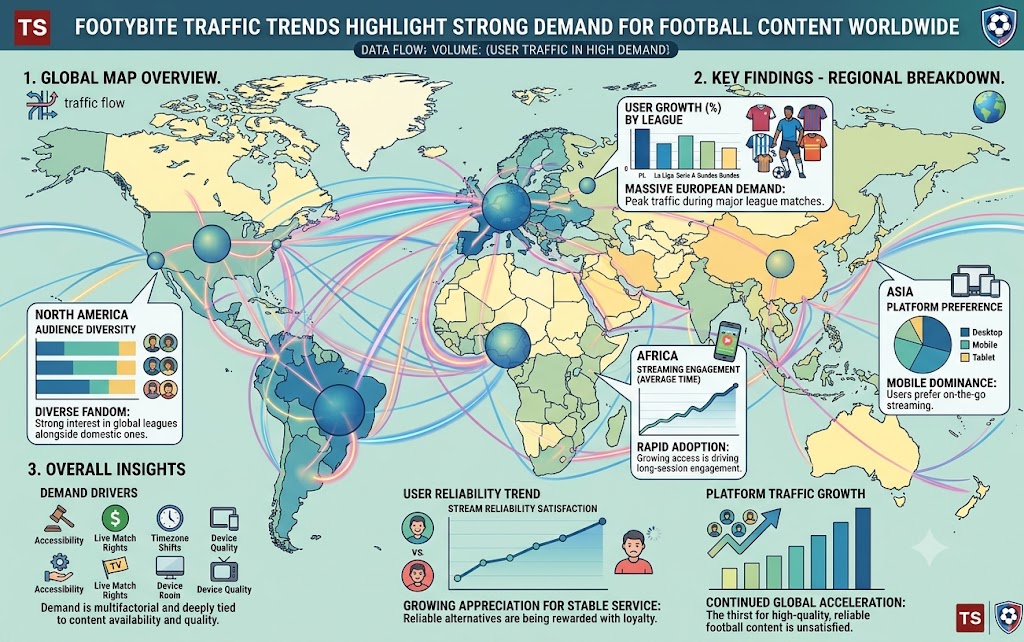
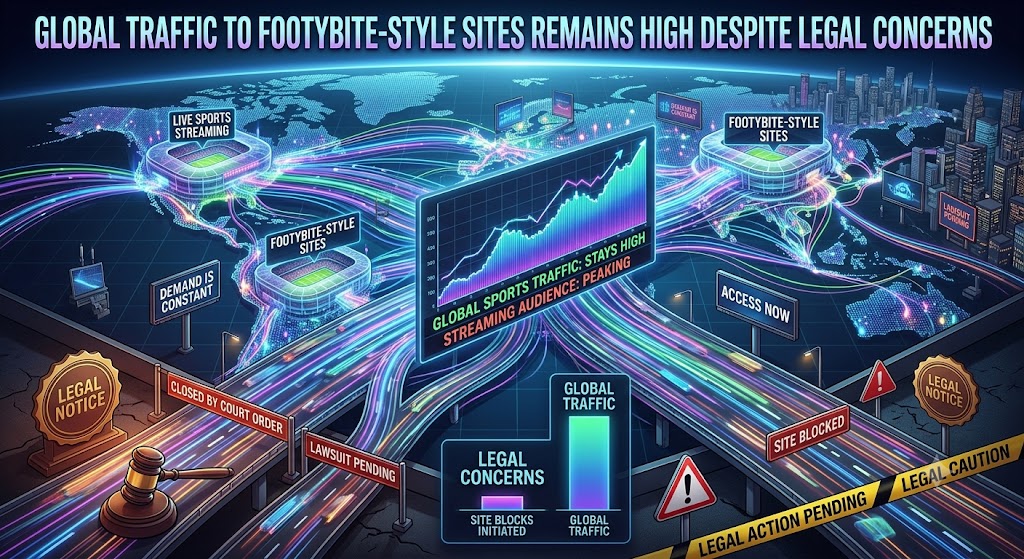
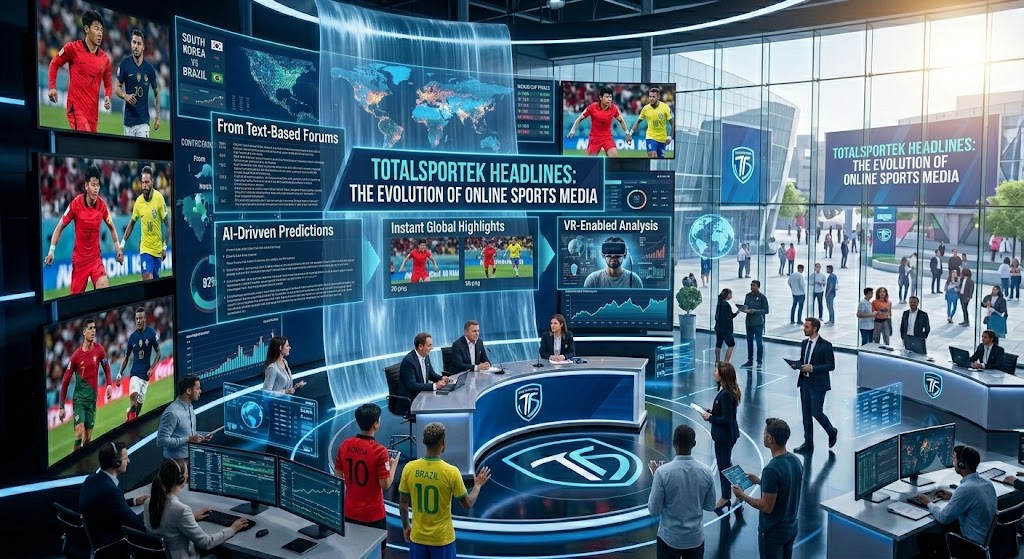
As mainstream sports networks hustle to deploy specialized mobile applications and connected TV services, dedicated alternative hubs like Totalsportek are highlighting the growing consumer demand for hyper-efficient content organization. Modern digital sports media is rapidly shifting toward smart, user-friendly layouts that completely replace the messy link dumps of the previous decade with organized event calendars categorized by league, date, and streaming bitrate status labels. Furthermore, the modern integration of multi-language options and seamless picture-in-picture capabilities on secondary viewing screens shows that sports enthusiasts expect a highly interactive television guide experience. This technical evolution provides viewers with multiple backup mirrors and stable performance tracking, ensuring consistent, high-definition access even as real-time server traffic reaches historic global peaks.
Artificial Intelligence and Creator Content Disrupt Traditional Rights
The commercial landscape of sports journalism is being heavily disrupted by the introduction of artificial intelligence tools and untraditional broadcasting partnerships that bypass standard media avenues completely. Major international properties, such as Germany's Bundesliga allocating direct broadcasting rights to independent YouTube creators, signal a massive shift toward highly personalized, unscripted fan engagement. Behind the scenes, media corporations are utilizing sophisticated AI algorithms to transform billions of live gameplay data points into personalized highlight reels and real-time statistics delivered directly to user interfaces. This combination of raw creator authenticity and high-tech backend automation allows sports organizations to build hyper-targeted marketing campaigns that connect deeply with younger demographics who actively reject conventional corporate advertising.
The Multi-Screen Era Shapes the Future of Sports Commerce
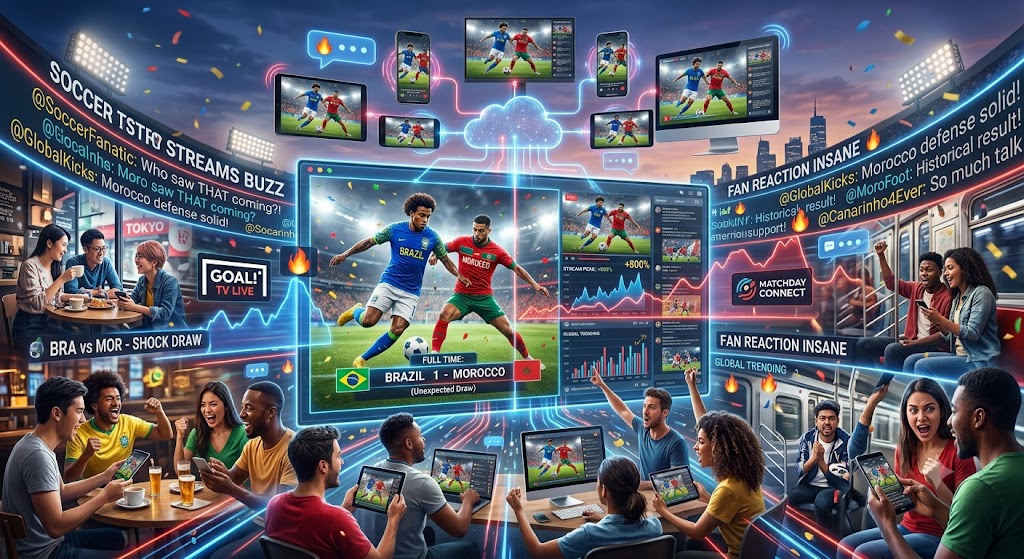
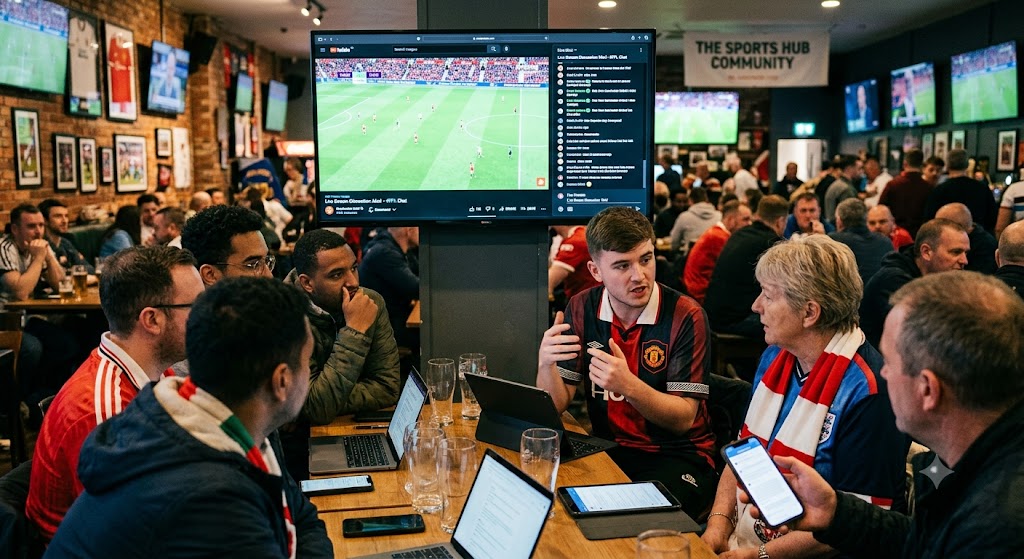
As international tournaments push deeper into their decisive final group stages, the highly synchronized behavior of the multi-screen audience is establishing an entirely new framework for commercial sports entertainment. Industry reports indicate that over half of all global football fans now systematically utilize a secondary smartphone or tablet interface to track live data, manage fantasy squads, and participate in community forums while simultaneously viewing the primary game. This continuous, multi-platform connectivity has turned live sports into a year-round ecosystem where brand engagement extends far beyond the final whistle. The massive volume of digital media interactions generated this season proves that the future of sports broadcasting relies entirely on an organization's ability to deliver a unified, interactive, and highly secure digital experience across the entire fan journey.